Be The Shortstop!

Be The Shortstop! is a permanent public indoor installation at The Baseball Museum in Riverfront Stadium, Wichita KS.

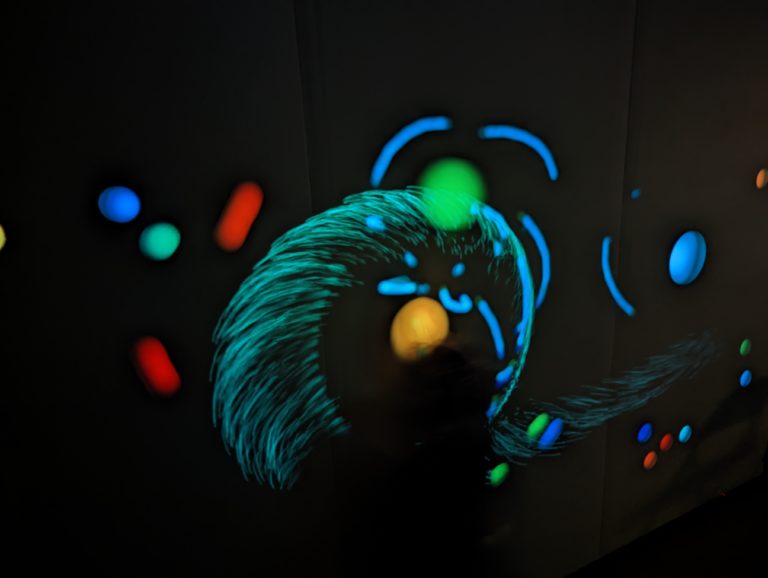
Players hit a large button on a kiosk to start the game. After a few seconds the game starts as they race to hit the correct button on a large wall. A crowd cheers on speakers as the timer counts up on a display.
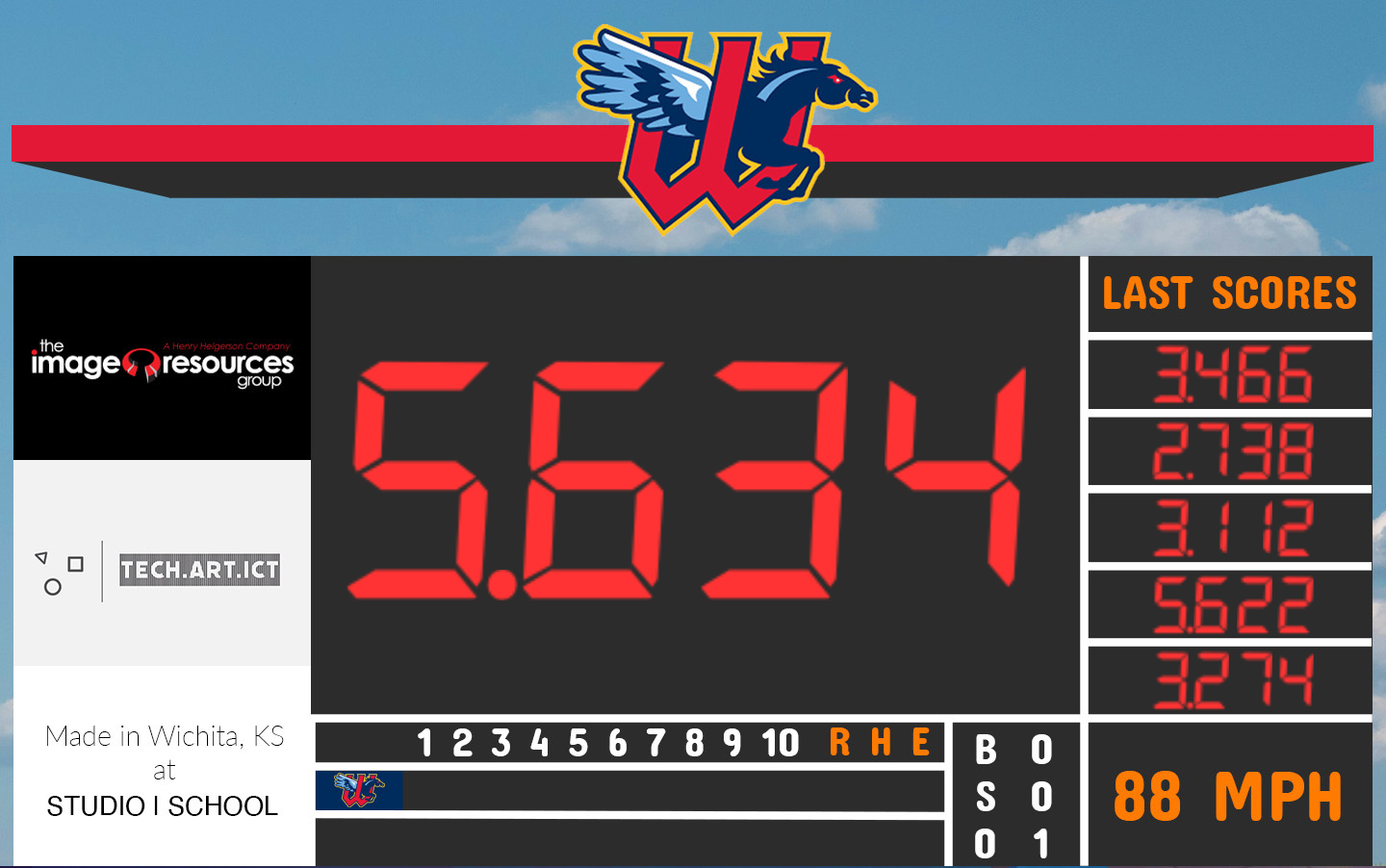
Be The Shortstop! was a commission subcontracted to Together Technologies LLC from The Image Resources Group. The work was completed as a collaboration with Tom McGuire. Tom focused on the hardware and low-level programming while I wrote the software and logic for the Kiosk.
Similar Posts

  • DoubleTalk

    Doubletalk, a two player audio-manipulation game was my first serious endeaver with the Gameboy. The game used the Pocketvoice, a Gameboy cartridge with a built-in amplified speaker and microphone. In Doubletalk, players record themselves, reverse their recordings, then try to guess what each other is saying.

  • Avian Migration

    In 2018 I collaborated with Artist Lisa Rundstrom and artist/engineer Tom McGuire to create the public art sculpture, Avian Migration at Wichita’s new Advanced Learning Library. Avian Migration consists of more than 1,300 LEDs controlled by 8 motion-activated sensors spread throughout the library. I was primarily responsible for the development and implementation of the software…

  • SoundScratch

    SoundScratch is a set of extensions I wrote to manipulate audio in a children’s programming language called Scratch. The environment emphasizes the expressive capabilities of sound through the act of creation and design.

  • Ghost in the Machine

    Originally conceived in 2008, Ghost in the Machine (GITM) consists of a webcam and display which mixes and crossfades events in realtime with motion-activated video it has recorded previously. It continually shifts between 3 states: individual, community, and the world. GITM has been shown in many venues and contexts.

  • Microphone with proximity detection

    Around 2004 I developed a few protoype microphones enhanced to also offer proximity detection. The microphone could adjust it’s amplitude and bass response based on the proximity of the person using it. This would lessen the variable results users experience when holding a microphone too close or too far. Moreover, with proximity or its derivative mapped to a combination…