BETA Competition

BETA Competition

WSU's BETA competition
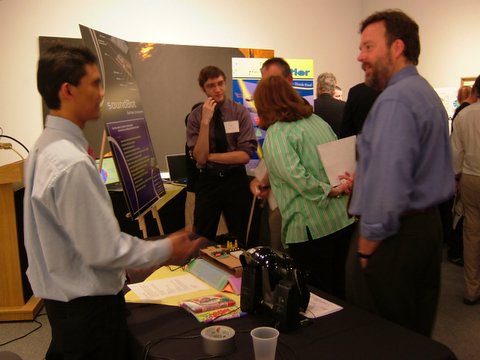
WSU student explains his team’s entrepreneurial idea to a BETA Competition judge
WSU's BETA competition
WSU student explains his team’s entrepreneurial idea to a BETA Competition judge

In 2006 I created and hosted WSU’s BETA competition. BETA is an acronym for Bridging Entrepreneurship, Technology, and the Arts; the BETA Competition encouraged WSU students and teams to develop entrepreneurial ideas which connected the arts with technology. Entries were judged on their innovation, feasibility, and scope. We offered over $7,000 total in prizes for the winning entries.

BETA’s judges, a dozen engineering, art and business leaders, evaluated the finalists of the competition in April 2006. The finalists gave presentations at the Ulrich Museum of Art in a trade-show format. At that time judges also gave applicants valuable feedback on feasibility, marketability, and artistic merit.

WSU’s BETA competition included a mentor program where teams of students could elect to work with a local business, technology, or art leaders to develop and refine their ideas as they prepared for the competition. Besides awarding cash prices one winning idea, a video synthesizer by Steve Wilson, was sponsored for further development — construction of a working prototype and a full business plan.
Similar Posts

  • Build Day

    As founding Director of WSU’s Center for Research in Arts, Technology, Education and Learning (CRATEL) I hosted Build Day every Friday. On Build Day, CRATEL was open to visitors, volunteers, or anybody who wanted to come by, chat, or build something.

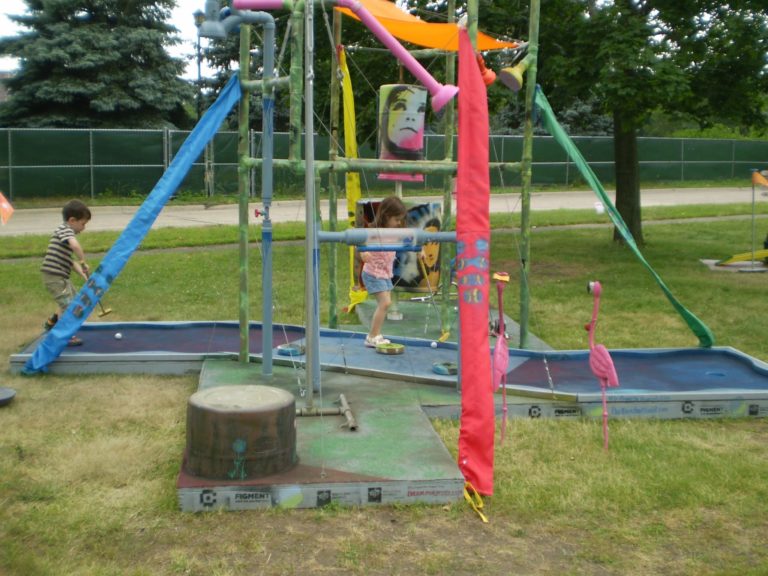
  • Minigolf at Figment in New York

    As a faculty member Wichita State University’s College of Engineering (WSU), I worked with students to create and install a mini-golf hole as part of FIGMENT at Governor’s Island, NY in 2010. I also gave the keynote address that year for FIGMENT’s public art opening. WSU’s mini-golf hole was chosen from a juried selection. Our…

  • SoundScratch

    SoundScratch is a set of extensions I wrote to manipulate audio in a children’s programming language called Scratch. The environment emphasizes the expressive capabilities of sound through the act of creation and design.

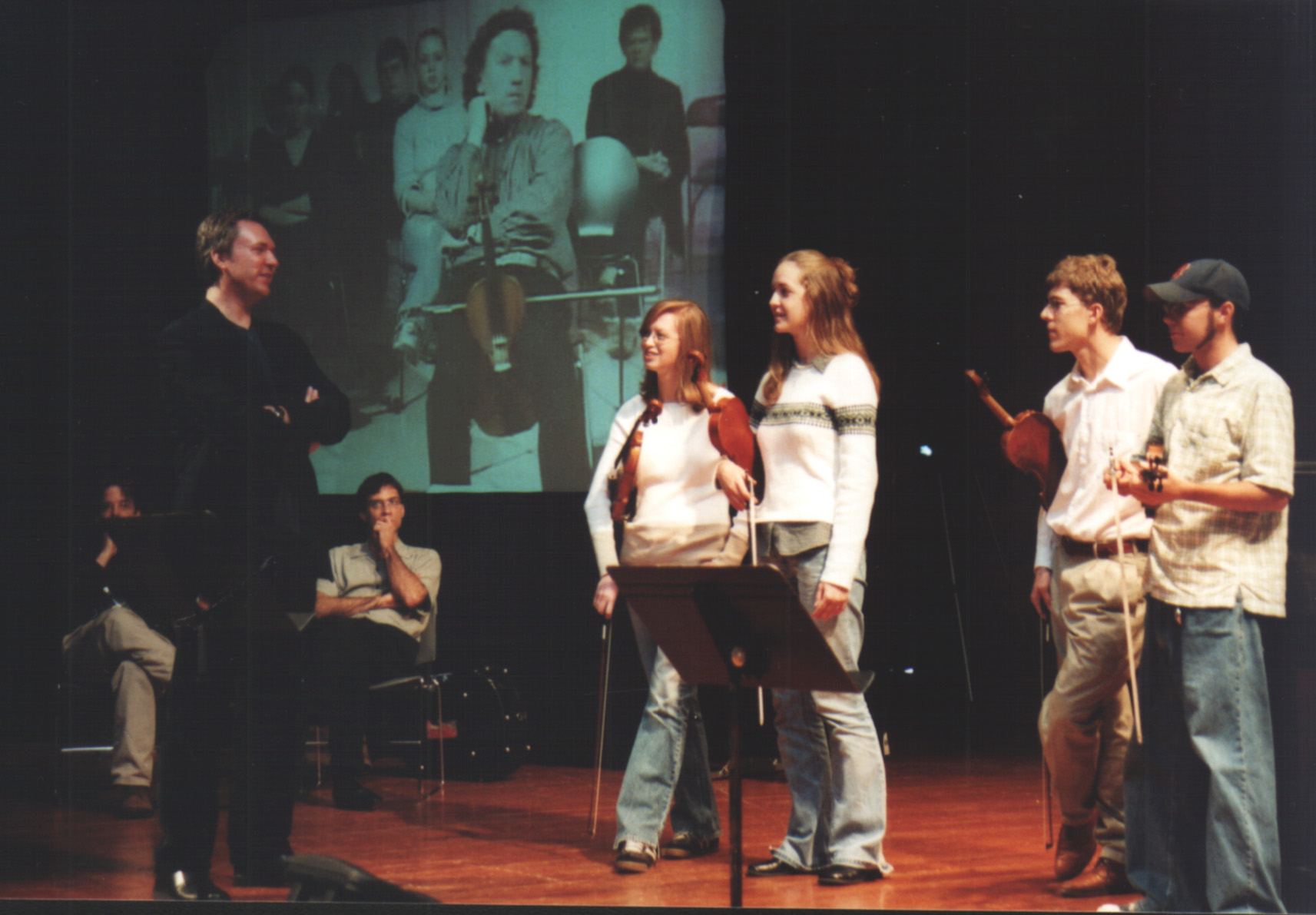
  • Digital Puppetry

    I worked with a team of colleagues, community members, and urban youth. Our intention was to help the youth learn in a playful environment, find personal self-expression, and have their voices heard by communities in Boston. To do this, we adapted commercially available technology to provide a unique medium: digital puppetry.